

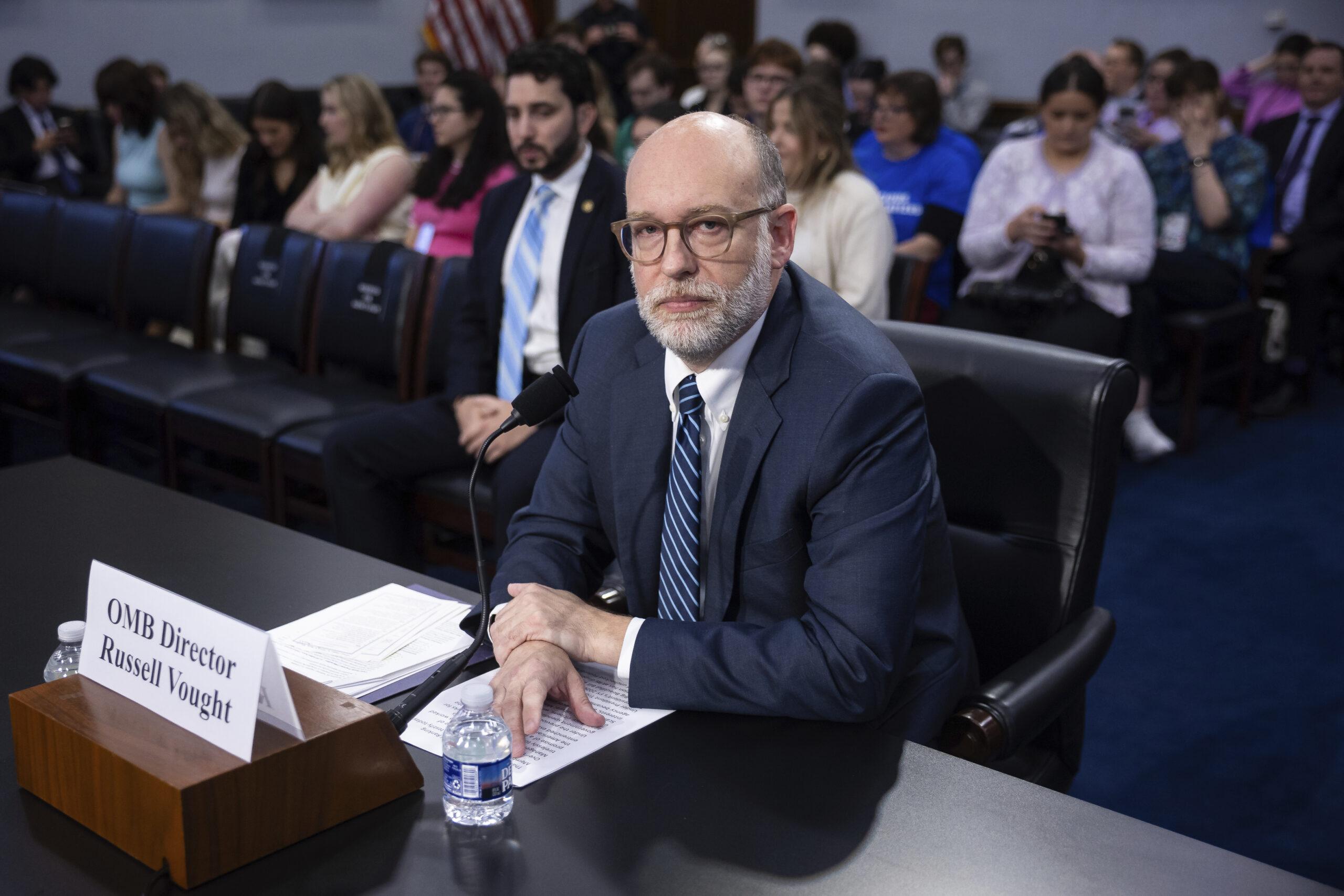
The White House is preparing to pitch its war-funding request to Congress, but it’s facing resistance from the GOP. On Tuesday, the administration will officially submit its proposal to allocate an additional $38 billion for ongoing military operations in the Middle East and Afghanistan. The request, which comes as the US is engaged in airstrikes in Syria and has troops deployed in Iraq, is likely to be met with skepticism by some Republicans who are hesitant to approve more spending without a clear strategy for ending the conflicts.
It’s a tough sell, said Senator John Cornyn of Texas, a member of the GOP leadership. We need to know what the end game is, what the strategy is, and how we’re going to get out of these places.
The White House argues that the funding is necessary to support US troops and ensure national security, but some lawmakers are concerned about the growing cost of the wars and the lack of a clear exit plan. The administration has stated that the additional funding will be used to support operations in Syria, where the US has been conducting airstrikes against ISIS, and in Afghanistan, where US troops are advising and assisting local forces. The proposal also includes funding for efforts to combat terrorism and protect US interests in the region. In a statement, a White House spokesperson said,
The president is committed to ensuring that our military has the resources it needs to keep America safe, and we believe that this funding request is essential to supporting our troops and achieving our national security goals.
The request comes at a time when the US is facing increasing scrutiny over its military involvement in the Middle East, with some lawmakers questioning the effectiveness of US strategy and the human cost of the conflicts. According to a report released by the Congressional Research Service, the US has spent over $2 trillion on war-related activities in the Middle East and Afghanistan since 2001. The report also notes that the conflicts have resulted in the deaths of over 15,000 US service members and an estimated 800,000 civilians. As the debate over war funding heats up, lawmakers will be watching to see how the White House plans to address these concerns and provide a clearer vision for US involvement in the region. The proposal is expected to be considered by the House and Senate in the coming weeks, with a vote possible as early as next month. What happens next will depend on whether the White House can convince lawmakers that its plan is the right one for the country’s future. Some key facts about the war-funding request include:
- The $38 billion request is in addition to the $721 billion already allocated for defense spending in the fiscal year 2024 budget.
- The funding will support operations in Syria, Afghanistan, and other parts of the Middle East.
- The proposal includes funding for efforts to combat terrorism and protect US interests in the region.
The story matters outside the immediate location because it has implications for US foreign policy and national security. As Senator Cornyn noted,
It changed how I see things, the more I learn about the complexity of these conflicts and the challenges we face in the region.
The economic cost of the wars is also a concern, with some estimates suggesting that the total cost of the conflicts could reach $6 trillion by 2025. The price of oil, which has been impacted by the conflicts, has risen by over 10% in the past year, with a barrel of crude oil currently costing around $65. As lawmakers consider the war-funding request, they will be weighing the potential benefits against the costs and considering what the future holds for US involvement in the region.