

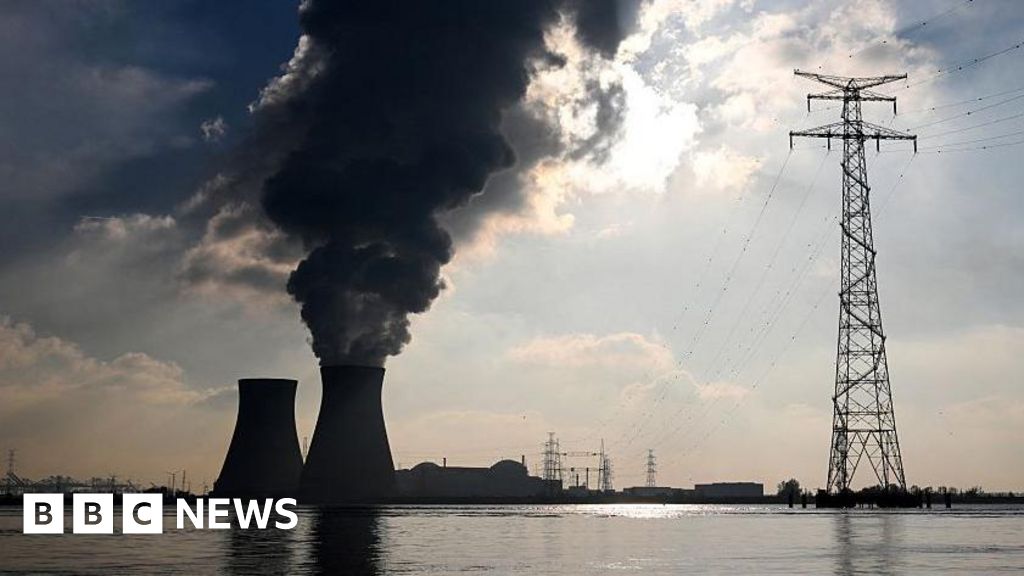
On January 10, 2023, the European Union convened an emergency meeting in Brussels to discuss the ongoing energy crisis, with many officials questioning whether reviving nuclear energy is the solution. The meeting was attended by representatives from 27 member states, who gathered to address the rising energy costs and dwindling supplies, which have left many Europeans struggling to heat their homes. “It happened when no one was watching,” said Maria van der Hoeven, a Dutch energy consultant, describing the sudden spike in energy prices that has gripped the continent.
The EU’s energy crisis has been exacerbated by a combination of factors, including the ongoing conflict in Ukraine, which has disrupted natural gas supplies, and a cold winter that has increased demand for heating. As a result, energy prices have skyrocketed, with some countries experiencing price increases of up to 30% in the past year. Nuclear energy has emerged as a potential solution, with many experts arguing that it could provide a reliable and sustainable source of power.
According to a report by the International Energy Agency, nuclear energy currently accounts for around 25% of the EU’s electricity generation, with France being the largest producer. However, many nuclear power plants in Europe are nearing the end of their operational lifespan, and there are concerns about the cost and feasibility of building new ones. “The cost of building a new nuclear power plant is around $5,000 per kilowatt of installed capacity,” said Dr. Jeremy Horepian, a nuclear engineer at the University of Oxford.
Some EU member states, such as Germany, have been hesitant to embrace nuclear energy, citing safety concerns and environmental risks. However, others, like France and Poland, are actively exploring the possibility of reviving their nuclear programs. The European Commission has proposed a series of measures to support the development of nuclear energy, including investment in new reactor designs and funding for research and development.
- The EU has set a target of reducing greenhouse gas emissions by 55% by 2030
- Nuclear energy currently accounts for around 25% of the EU’s electricity generation
- The cost of building a new nuclear power plant is around $5,000 per kilowatt of installed capacity
As the EU continues to grapple with the energy crisis, it remains to be seen whether reviving nuclear energy will be a viable solution. The economic implications of such a move are significant, with some estimates suggesting that the cost of building new nuclear power plants could be as high as $200 billion. What happens next will depend on the ability of EU leaders to balance competing interests and priorities, and to find a solution that addresses the immediate energy needs of the continent while also ensuring a sustainable future. The situation in Europe is being closely watched by other countries, and the outcome could have far-reaching implications for the global energy landscape.