

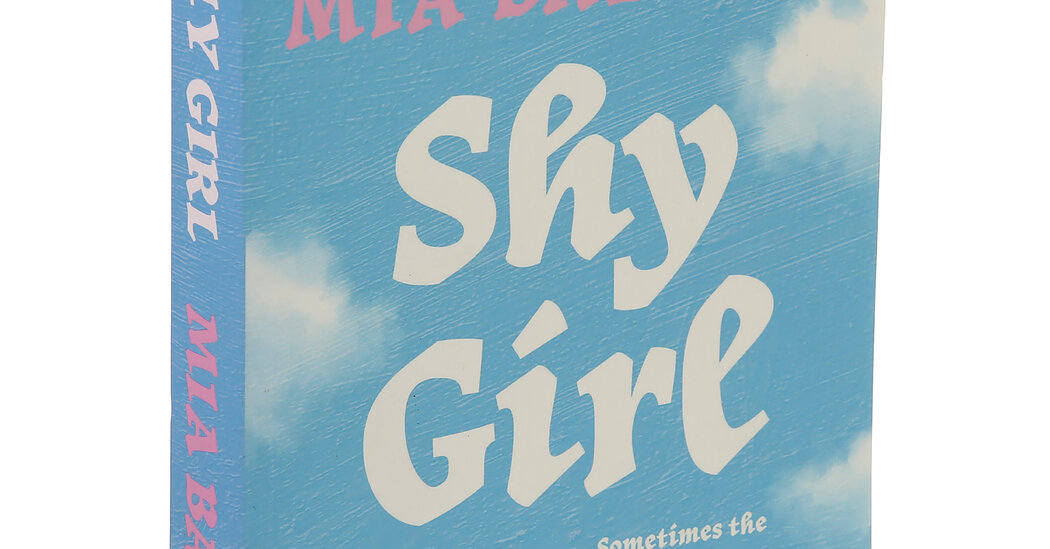
Hachette Book Group, one of the largest publishers in the United States, pulled a forthcoming horror novel on Thursday in a decision that followed widespread allegations online that the author, Mia Ballard, relied heavily on artificial intelligence to write the book.
On Thursday, a day after The New York Times approached Hachette citing evidence that the novel appeared to be A.I.-generated, the company said it was pulling the book from publication. By Thursday afternoon, the novel was removed from Amazon and the Hachette website.
Hachette told The Times that its Orbit imprint decided not to publish “Shy Girl,” which was due out in the United States this spring, after conducting a thorough and lengthy review of the text. Hachette said it will also discontinue the book in the U.K., where it was published last fall and has sold 1,800 print copies, according to NielsenIQ BookData.
“Hachette remains committed to protecting original creative expression and storytelling,” a Hachette spokeswoman said. She added that Hachette requires all submissions to be original to the authors, and asks authors to disclose to the company whether they are using A.I. during the writing process.
In an email to The Times late on Thursday night, Ballard denied using A.I. to write “Shy Girl,” contending that an acquaintance she hired to edit the self-published version of the novel had used A.I.
“This controversy has changed my life in many ways and my mental health is at an all time low and my name is ruined for something I didn’t even personally do,” she wrote, noting that she could not elaborate on how the book had been edited with A.I. because she was pursuing legal action.
“Shy Girl,” about a desperate young woman who is held hostage by a man she met online and forced to live as his pet, was self-published in February 2025.
The cancellation of the novel reveals the challenges the book world is navigating as the adoption of A.I. becomes more widespread and as traditional publishers increasingly look to self-published books as a pipeline for hits, particularly in genre fiction.
Publishers have maintained a firm line against A.I.-generated text and images, and require authors to attest that their work is original in their publishing contracts. But few have clear policies or measures to prevent users from writing with A.I.
“This is the proof positive of what many of us have considered an issue, that this will happen, and now it has happened,” Thad McIlroy, a publishing industry consultant, said of the controversy around “Shy Girl.”
Readers and many writers remain ferociously opposed to the use of the technology for writing, which they regard as cheating or a form of theft. And A.I.-generated writing is not always easy to spot. “Shy Girl” received some rave reviews when it was self-published, eventually drawing more than 4,900 ratings on Goodreads, and averaging 3.52 stars.
Still, the tide turned as more readers began flagging what they surmised was A.I. slop, slamming the book for its generic and confusing metaphors and repetitive phrasing.
“Really bad,” one reader wrote in a one star review. “Pretty sure this was A.I. generated.”