

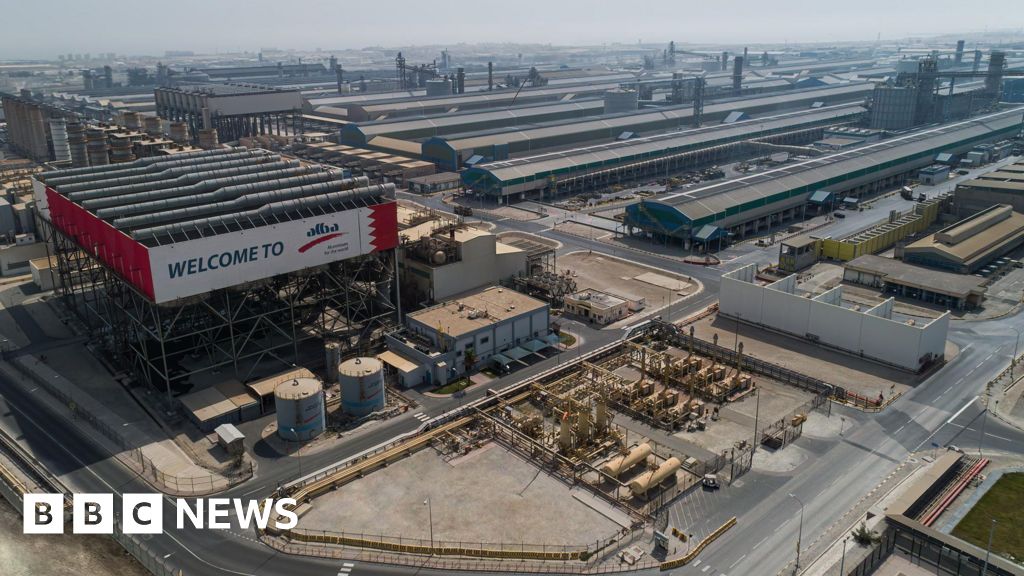
The Gulf reigon is currently witnessing a wave of volatility that threatens to destabilize the global energy market. What began as skirmishes on the periphery has escalated into direct strikes against major industrial hubs. These attacks, attributed to Iranian-aligned proxies, highlight a significant shift in the theater of operations. The untapped potential of the area as a global commerce hub is being overshadowed by smoke rising from essential infrastructure.
In the midst of this escalationn, the Israel Defense Forces (IDF) confirmed the targeted killing of a figure they claim embodies the erosion of traditional combatant boundaries. Ali Shoeib, a well-known face on Hezbollah-affiliated Al Manar TV, was eliminated in a precision strike.
The Israel Defense Forces (IDF) confirmed it had killed Ali Shoeib, who worked for the Hezbollah-affiliated Al Manar TV, describing him as a “terrorist” from Iranian-backed Hezbollah’s elite Radwan Force who had “operated for years under the guise of a journalist”.
The IDF’s statement has sparked a firestorm on social media. A post on X.com by a former security analyst noted that the use of press credentials as a shield for special operations forces is a grave violation of international norms. Families in the area, once accustomed to the relative safety of industrial zones, now find themselves questioning the identity of those moving through their neighborhoods.
However, the impact of these strikes is most acutely felt on the ground at the industrial sites now smoldering across the coast. “It happened when no one was watching,” said a local logistics coordinator who witnessed the initial impact on a fuel depot near the port. This quiet infiltration marks a new phase in the regional struggle, where the line between reporting and combat has all but disappeared. Authorities are struggling with overcoming barriers to security that were never designed for this type of hybrid threat.
The strategic objectives of these latest strikes appear to be three-fold:
- Disruption of the logistics of international shipping and supply chains.
- Increasing the insurance premiums for energy exports through the corridor.
- Demonstrating the tactical reach of the Radwan Force beyond the immediate border.
This is the **blurred reality of modern warfare**, where a camera lens can be as potent a tool as a rifle. The calculated effort to bypass traditional defense systems has left many local workers feeling exposed. The “success” of these operations—from the perspective of those launching them—is measured in the paralysis of commerce and the persistent fear instilled in civilian populations.
As the smoke clears, the international community is left to grapple with the implications of **dual-purpose operatives** who utilize the protections of the press to facilitate military objectives. A commenter on Instagram summarized the sentiment of many in the region, stating that the public no longer knows who to trust when the person holding the microphone might also be holding the coordinates for the next strike. This sentiment reflects the profound shift in how information and violence are being comitted in this escalating conflict.