

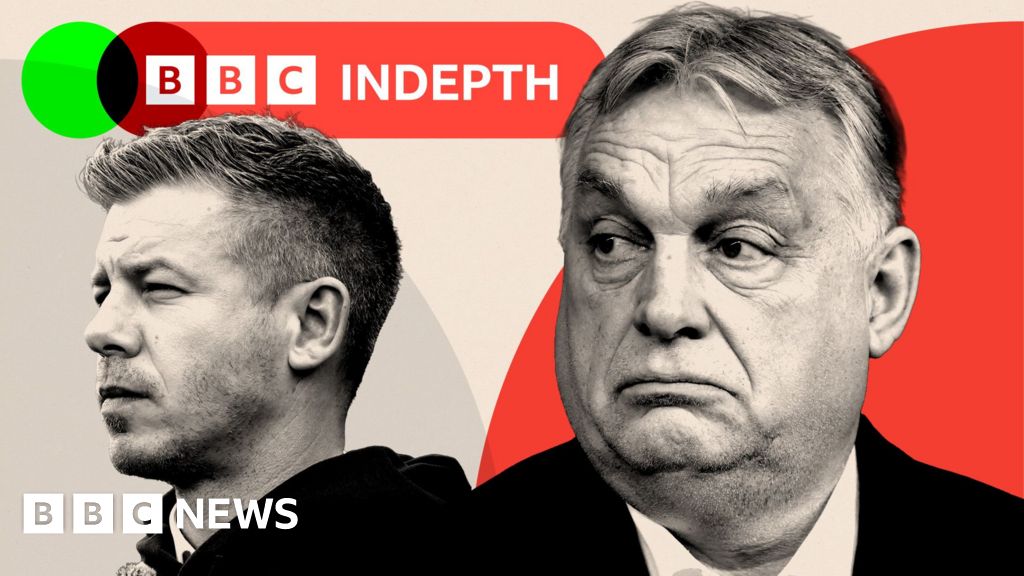
On April 3, 2022, Hungarian citizens will head to the polls to determine whether Viktor Orban, who has been in power for 16 years, will remain the country’s leader. Orban, the chairman of the Fidesz party, has dominated Hungarian politics since 2006, but this election could mark a turning point. Hungarian voters will decide whether to reelect Orban or opt for a change in leadership, with the opposition united behind Peter Marki-Zay, a conservative politician.
“I’m the candidate of the united opposition, and I think we can change the regime,”
said Marki-Zay, expressing his confidence in a potential victory. As the election approaches, the campaign has been marked by intense debate over issues like corruption, economic growth, and Hungary’s relationship with the European Union.
Orban has been criticized by some for his government’s handling of corruption allegations, with Transparency International ranking Hungary as one of the most corrupt EU countries. On the other hand, his supporters praise his economic policies, which they say have led to significant growth and improved living standards. According to official data, Hungary’s GDP has grown by over 50% since Orban took office.
The election has garnered significant international attention, with many observers wondering whether Orban’s rule can be challenged. His party has maintained a strong grip on power, but a unified opposition could potentially pose a threat. The outcome of the election is still uncertain, with some polls suggesting a tight race.
The election will also have broader implications for Hungary’s position in the EU and its relationships with neighboring countries. Some analysts believe that an Orban victory could lead to further tensions with EU leaders, while a change in government could signal a shift towards greater cooperation. What happened next was crucial, as the results of the election will set the tone for Hungary’s future and its place in the region.
In terms of economic impact, the election could influence the value of the Hungarian forint, which has been subject to fluctuations in recent years. According to some estimates, the election outcome could lead to changes in the country’s economic policy, potentially affecting the forint’s value by up to 10%. The election will be closely watched by investors, who are waiting to see how the new government will handle key economic issues.
As the election approaches, the situation in Hungary remains uncertain. The outcome will depend on a range of factors, including voter turnout and the performance of the opposition. For now, it is unclear whether Orban will maintain his grip on power or if a new leader will emerge. The next few days will be crucial in determining the future of Hungarian politics. The world will be watching to see what happens next in this critical election.