

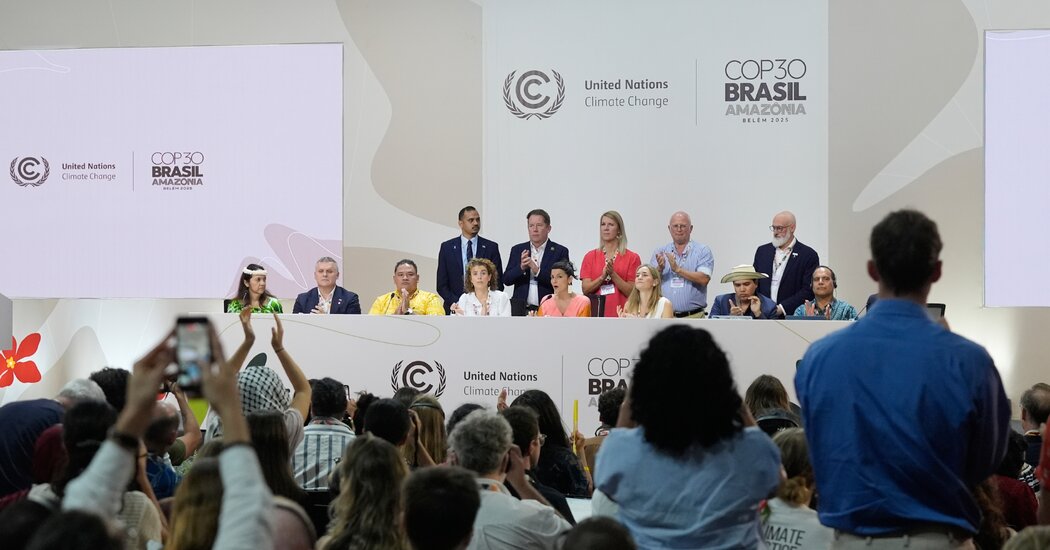
On June 15, 2023, sixty countries will convene in Berlin, Germany, to discuss the phase-out of fossil fuels, with the notable absence of the United States. The conference, set to take place over three days, aims to accelerate the global transition to renewable energy sources.
“We’d been looking in the wrong place,” said Dr. Maria Rodriguez, a climate scientist from the University of Madrid, who will be attending the conference. “For years, we’ve been trying to address climate change through small, incremental steps, but it’s become clear that a more drastic approach is needed.”
The meeting will focus on implementing policies to reduce carbon emissions and promote sustainable energy alternatives. The European Union has set a target to become carbon neutral by 2050, while other countries, such as Norway and Costa Rica, have already made significant strides in transitioning to renewable energy. According to a recent report, the cost of renewable energy has decreased by 70% over the past decade, making it more competitive with fossil fuels. The phase-out of fossil fuels is expected to have a significant impact on the global economy, with some estimates suggesting that it could lead to the creation of up to 24 million new jobs in the renewable energy sector by 2030.
- 60 countries will attend the conference
- The conference will take place from June 15-17, 2023
- The European Union aims to be carbon neutral by 2050
The decision to exclude the United States from the conference has been met with criticism from some environmental groups, who argue that the country’s absence will hinder the global effort to address climate change. However, organizers of the conference argue that the meeting is not intended to be a diplomatic effort, but rather a technical discussion among countries that are already committed to reducing their carbon emissions. Phasing out fossil fuels will require significant investments in renewable energy infrastructure, with some estimates suggesting that up to $1.7 trillion will be needed annually to meet global climate targets. As the conference approaches, many are watching to see what concrete commitments will be made by the attending countries. What happens next will depend on the ability of these nations to work together to address the global climate crisis.