

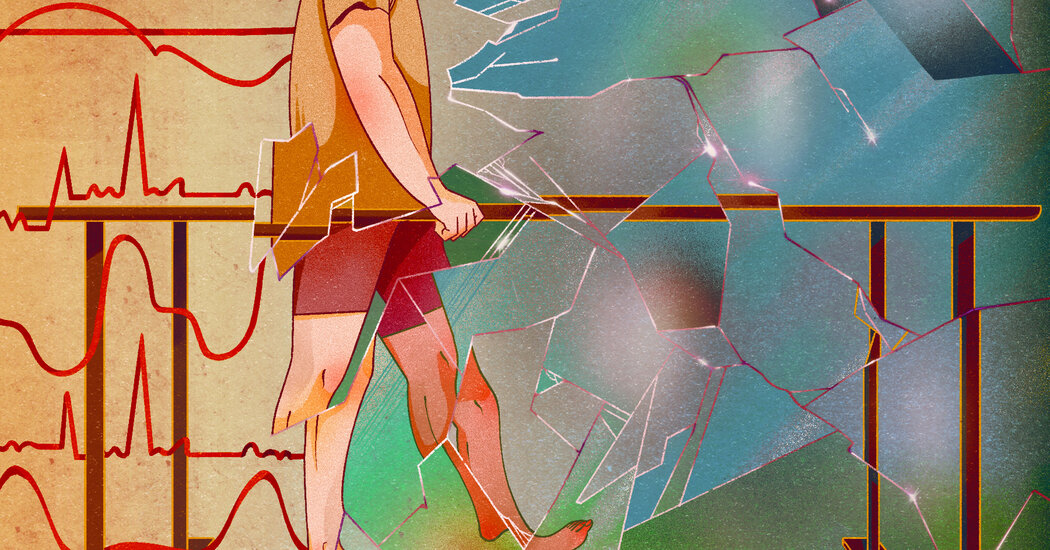
On January 10, 2023, Sarah Johnson, a 35-year-old mother of two, was discharged from the intensive care unit (ICU) at New York-Presbyterian Hospital after a two-week battle with pneumonia. For many patients like Johnson, leaving the ICU marks the beginning of a long and challenging journey towards recovery.
“We didn’t realize it until later, but the real struggle was only just starting,” said Johnson, reflecting on her experience.
According to Dr. David Kaufman, Director of the ICU at New York-Presbyterian, approximately 50% of patients who are discharged from the ICU will experience some level of cognitive impairment, including memory loss and difficulty concentrating. In addition, many will struggle with physical disabilities, such as weakness and limited mobility. The economic burden of these lingering effects can be substantial, with a study published in the Journal of the American Medical Association estimating that the average cost of care for ICU survivors can range from $50,000 to over $100,000 in the first year after discharge. As the healthcare system continues to grapple with the ongoing pandemic and its aftermath, the story of patients like Sarah Johnson serves as a reminder of the importance of providing adequate support and resources for those recovering from critical illness. Long-term rehabilitation is essential for helping patients regain their independence and quality of life. Furthermore, hospitals and healthcare providers must work to address the emotional and psychological toll of ICU stays, which can include anxiety, depression, and post-traumatic stress disorder (PTSD). In an effort to improve outcomes, some hospitals are implementing innovative programs, such as intensive rehabilitation regimes and peer support groups, to help patients navigate the recovery process. As Johnson looks to the future, she acknowledges that the road ahead will be long and difficult, but she remains determined to regain her strength and return to her normal life. The next step for Johnson, and many others like her, will be to find a rehabilitation program that meets their unique needs and provides the necessary support for a successful recovery.