

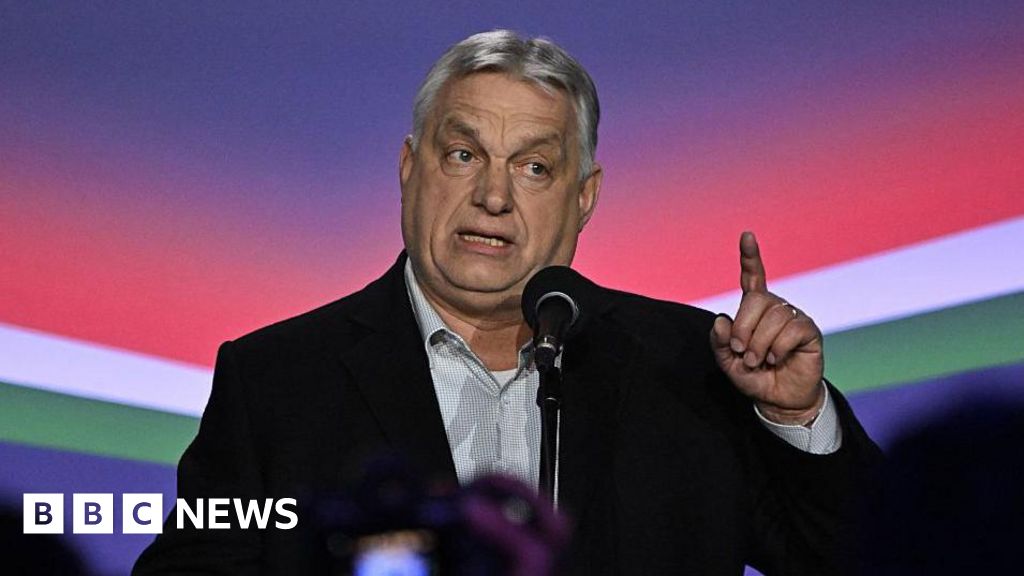
On Monday, Hungarian Prime Minister Viktor Orban alleged that a plot to blow up a gas pipeline had been discovered ahead of the country’s parliamentary election, scheduled to take place on April 8. According to Orban, the plot was revealed during a meeting of the Hungarian intelligence services.
“We take these allegations very seriously and are taking all necessary measures to protect our country’s energy infrastructure,”
said Orban in a statement to the press. In a press conference held in Budapest, Orban explained that the plot had been uncovered as part of an ongoing investigation into possible sabotage attempts. The alleged plot has raised concerns about the security of Hungary’s energy supply, with the country relying heavily on natural gas imports from Russia. The pipeline in question is a key artery for the transportation of natural gas from Russia to Europe, passing through Ukraine and Hungary. Energy security experts have warned that any disruption to the pipeline could have significant impacts on the European energy market, with potential price increases and supply shortages. Orban’s allegations have been met with skepticism by some, with opposition parties suggesting that the claims may be an attempt to sway voters ahead of the election. The election is seen as a crucial test for Orban’s ruling Fidesz party, which has been in power since 2010. As the election approaches, tensions are running high, with many Hungarians concerned about the country’s economic and energy security. Something fundamental had shifted, said Andras Bencsik, a resident of Budapest, who expressed concerns about the potential consequences of a pipeline explosion. The allegations have also sparked a heated debate on social media platforms, including Facebook and instagram posts, with many users discussing the potential implications of the plot. The Hungarian government has announced that it will increase security measures around the pipeline, with police and military personnel deployed to protect the infrastructure. The cost of these measures is estimated to be around 1 billion Hungarian forints (approximately 3 million euros), according to government sources. As the investigation into the alleged plot continues, many questions remain unanswered, including the identity of those behind the plot and the extent of their plans. The Hungarian government has promised to provide more information as it becomes available. What happens next will depend on the outcome of the investigation and the measures taken to prevent any potential attacks, said a spokesperson for the Hungarian Ministry of Interior. The European Union has also been informed of the allegations and is monitoring the situation closely. In a statement, the EU Commission expressed concern about the potential impact on the European energy market and offered support to the Hungarian government in its efforts to protect the pipeline. The situation is being watched closely by energy experts and investors, who are waiting to see how the allegations will affect the price of natural gas in Europe. As the situation continues to unfold, one thing is clear: the security of Hungary’s energy infrastructure is a matter of great importance, not just for the country, but for the entire European region.
- The alleged plot was discovered ahead of the Hungarian parliamentary election, scheduled to take place on April 8.
- The pipeline in question is a key artery for the transportation of natural gas from Russia to Europe.
- The Hungarian government has announced that it will increase security measures around the pipeline, with police and military personnel deployed to protect the infrastructure.
The outcome of the investigation and the measures taken to prevent any potential attacks will be crucial in determining the security of the pipeline and the stability of the European energy market. As the situation continues to develop, readers should watch for updates on the investigation and any potential impacts on the energy market.